The Delhi High Court has allowed the film 120 Bahadur to be released in theatres as scheduled, despite objections raised by a group called the Sanyukt Ahir Regiment Morcha. The petitioners approached the court with concerns related to the film’s title and alleged misrepresentation of the contributions of 120 Ahir soldiers who fought in the 1962 Indo-China War, particularly during the iconic Rezang La battle.
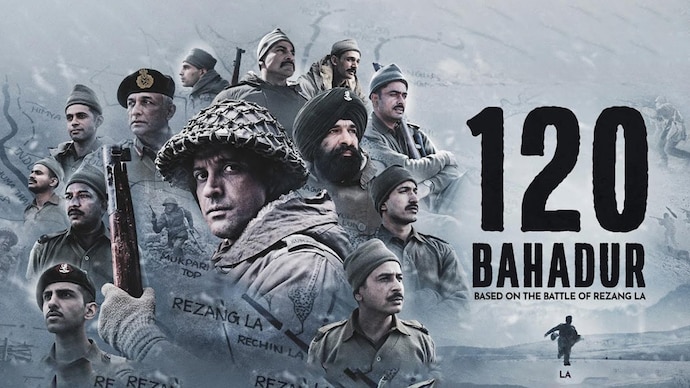
However, after examining the matter, the High Court stated that it was too late to demand any change in the title or major edits because the movie had already completed the certification process and was prepared for public release. The court emphasized that altering the title at the final stage would create unnecessary disruption for the film’s producers, distributors, and theatre chains.
Why the Petitioners Objected
The Sanyukt Ahir Regiment Morcha argued that the title 120 Bahadur does not clearly convey that the film is based on the courage of the Ahir soldiers who defended the Rezang La post in 1962. According to them, the title should have included the term “Ahir” to ensure proper recognition of the community’s contribution. They also claimed there might be scenes in the film that could dilute the historical significance of the soldiers.
The petitioners further stated that using a general title could mislead viewers into thinking the story might be fictional or unrelated to the Ahir community’s actual sacrifices. They wanted the filmmakers to revise the title or add a subtitle that clearly refers to the Ahir Regiment.
harleyhaze.com | creepersaustralia.com | Cyberdatatech.com
onlinecasinosdata.com | followthelaws.com
Court’s Reasoning: Too Late for Title Changes
The court disagreed with the demand to change the title so close to the film’s release date. It noted that the Central Board of Film Certification (CBFC) had already reviewed and approved the movie after ensuring it meets all legal and creative standards required for public screening.
Once a film receives certification, especially just before release, making last-minute changes becomes difficult. It can impact marketing campaigns, audio mixing, subtitles, posters, theatre schedules, and contractual obligations. Changing the title could have caused delays and significant financial losses.
The judges also observed that objections based on assumptions—without anyone actually watching the film—cannot form a solid basis for court intervention.
Court’s Important Direction: Include All 120 Soldiers’ Names
While the title change was rejected, the Delhi High Court did consider the sentiments of the Ahir community. The most important directive from the court was that the filmmakers must include the names of all 120 Ahir soldiers in the film’s end credits.
This ensures two things:
-
Historical accuracy – acknowledging the real heroes whose bravery inspired the story.
-
Respect for the community – ensuring that no soldier’s name is omitted or ignored.
The court explained that this was the most meaningful way to honor the Ahir soldiers while still allowing the filmmakers creative liberty.
Watch the Film First, Court Tells Petitioners
One of the key observations made by the court was that the petitioners had not yet watched the film. They were basing their objections on assumptions drawn from trailers and promotional content.
The bench advised the petitioners that it is always better to watch a film before objecting to it, especially when the concerns relate to historical or cultural representation. The court stressed that not all artistic interpretations intend to distort history; many aim to highlight it in a cinematic format.
The judges added that if the petitioners find any factual inaccuracies after watching the movie, they can bring them to the filmmakers’ attention later.
Possibility of Changes in the OTT Version
In a practical move, the court stated that any factual corrections, clarifications, or community-specific concerns can be addressed in the film’s OTT version.
Since OTT releases often reach larger audiences and remain available permanently, making improvements there can be more effective. This way, the theatrical release remains uninterrupted, but the final digital version can still reflect historically accurate details if needed.
Filmmakers’ Stand and Intent
During the hearing, the filmmakers expressed that they had no intention to misrepresent the Ahir community or downplay their sacrifice. Instead, their goal is to share the story of extraordinary bravery displayed at Rezang La, where 120 soldiers fought against overwhelming odds to defend their post.
Representatives of the film reassured the court that they would include all soldiers’ names in the credits and were open to considering any reasonable suggestions for the OTT release after the petitioners have watched the film.
Why This Case Matters
This case highlights an issue that has become more common in recent years—films based on historical or real-life events often face objections from communities who feel responsible for preserving their heritage.
While such concerns are valid, courts generally try to balance:
-
Creative freedom of artists,
-
Public’s right to access cinema, and
-
Community sentiments and historical accuracy.
The Delhi High Court’s decision reflects that balance. The film is allowed to release without delay, protecting the creators’ efforts. At the same time, the court ensured that the community’s history is respected by mandating the inclusion of all 120 soldiers’ names.
A Renewed Focus on the Rezang La Heroes
The controversy around the film has also brought national attention back to the legendary Rezang La battle. It remains one of the most courageous episodes in Indian military history.
A small group of Indian soldiers—most from the Ahir community—fought with exceptional bravery against a far larger Chinese force. Their defense of the post is remembered as a symbol of patriotism, sacrifice, and resilience.
Many believe that the film, regardless of the controversy, will help more people learn about this historic episode and the soldiers who gave their lives for the country.
Conclusion
The Delhi High Court’s ruling ensures that 120 Bahadur hits theatres on time, while also protecting the legacy of the Ahir soldiers it is based on. The filmmakers must now make sure the credits include all 120 names, and they should be ready to consider genuine corrections after the film is viewed by the community.
For now, the audience will soon be able to watch the film and decide for themselves how well it honors the brave soldiers of Rezang La.