Recent viral claims suggesting that Covid-19 vaccines could cause aggressive cancers due to lingering spike proteins have caused concern among the public. A doctor’s remark linking the Covid virus and vaccine spike protein to a rise in rare cancers has circulated widely on social media, sparking fear and misinformation. However, Indian medical experts have strongly refuted these claims, emphasizing that they are biologically implausible and misleading.
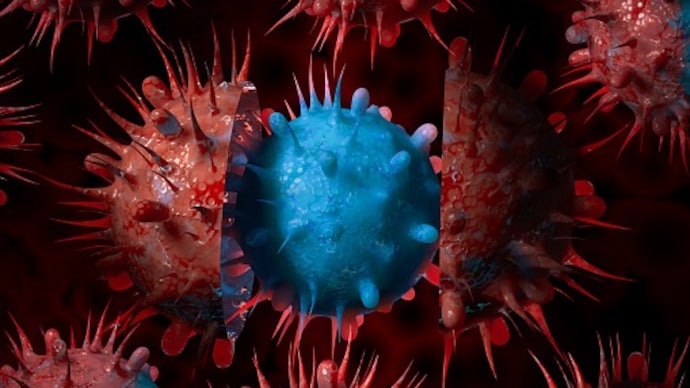
This article explores the science behind Covid vaccines, spike proteins, and cancer biology, while clarifying why the viral claims have no credible scientific basis.
Understanding Covid-19 Vaccines and Spike Proteins
Covid-19 vaccines, such as those developed by Pfizer, Moderna, and Covaxin in India, work by introducing a component that trains the immune system to recognize the SARS-CoV-2 virus. One key component of these vaccines is the spike protein, a harmless fragment of the virus that triggers an immune response.
The spike protein is not the complete virus and cannot replicate on its own. It exists temporarily in the body after vaccination and is recognized by the immune system to build protective antibodies. Scientists have repeatedly confirmed that these proteins do not persist indefinitely in the body, and their presence is short-lived, usually cleared within a few days to weeks.
latestofnews.com | liteworkdesign.com | TechTechnoGear.info
emulinnovation.com | thebrandastute.com
The Viral Claim and Its Spread
The viral claim emerged when a doctor stated that the spike protein from either Covid infection or vaccination could linger in the body and cause aggressive cancers. This statement gained attention due to social media amplification and fear around both Covid and vaccines.
The assertion suggested that the spike protein somehow triggered uncontrolled cell growth, leading to rare forms of cancer. However, experts immediately highlighted that the claim lacked scientific evidence and misunderstood both vaccine biology and cancer mechanisms.
Why the Claim Is Biologically Implausible
Medical experts in India and globally have pointed out several reasons why the claim does not hold up:
-
Short-Lived Nature of Spike Proteins: After vaccination, spike proteins are expressed for a very short period and are rapidly degraded by the body. They do not accumulate in organs or tissues in a manner that could cause cancer.
-
Mechanism of Cancer Formation: Cancer arises from genetic mutations that cause uncontrolled cell division. These mutations can be triggered by factors like UV radiation, chemical exposure, hereditary genes, or certain infections. The spike protein in vaccines does not have the ability to alter DNA or induce such mutations.
-
Absence of Evidence in Clinical Studies: Clinical trials and real-world studies of Covid vaccines have monitored millions of people across the globe. To date, there is no credible evidence linking any Covid vaccine to the development of cancer. The vaccines have been rigorously tested for safety and efficacy.
-
Understanding Immune Response: Vaccines are designed to stimulate the immune system. The immune system itself actively destroys any spike protein fragments, preventing long-term persistence. This makes the claim of lingering proteins causing cellular damage scientifically unsound.
Expert Opinions from India
Several Indian experts have publicly addressed the misinformation:
-
Dr. Randeep Guleria, Director of AIIMS Delhi, stated that Covid vaccines are safe and that there is no biological mechanism to suggest that spike proteins cause cancer.
-
Dr. Vinod Paul, member of NITI Aayog’s health committee, emphasized that linking Covid vaccines to aggressive cancers is “misleading and fear-mongering.” He clarified that vaccines help prevent severe disease and do not interfere with DNA or cellular replication.
-
Oncologists and virologists have also reinforced that cancer arises due to genetic errors, long-term exposure to carcinogens, or viral infections like HPV, not due to vaccine-induced spike proteins.
These expert opinions underline the importance of relying on scientific evidence rather than unverified social media claims.
Why Misinformation Spreads Quickly
Misinformation about vaccines spreads rapidly for several reasons:
-
Fear and Anxiety: During pandemics, fear of illness and uncertainty about new medical interventions make people more susceptible to alarming claims.
-
Social Media Amplification: Viral posts and videos often circulate faster than verified information. Short clips or statements can be taken out of context, creating panic.
-
Misunderstanding of Science: Many people do not have a deep understanding of how vaccines work or how cancer develops, making them vulnerable to misleading explanations.
Experts recommend critically evaluating any health claim online and consulting credible sources such as government health agencies, WHO, or certified medical professionals.
Role of Regulatory Bodies and Safety Monitoring
Covid vaccines have undergone rigorous safety monitoring worldwide. Regulatory bodies like India’s Central Drugs Standard Control Organization (CDSCO), the US FDA, and the European Medicines Agency (EMA) continuously review adverse events reported after vaccination.
According to these agencies, vaccines remain safe and effective. Any rare health issues are investigated thoroughly, and protocols are in place to ensure transparency and public safety. So far, there is no signal or evidence linking Covid vaccines to cancer or long-term cellular damage.
The Importance of Vaccination
Covid vaccination remains a critical tool in preventing severe disease, hospitalization, and death. Vaccines have significantly reduced the impact of Covid variants and protected millions of people globally.
Misinformation linking vaccines to cancer can have serious public health consequences, including vaccine hesitancy. This can slow down immunization efforts and leave communities vulnerable to outbreaks. Health authorities emphasize that trusting science, following vaccination schedules, and seeking credible medical advice are essential for individual and public safety.
Tips for Identifying Vaccine Misinformation
-
Check the Source: Verify whether the information comes from a credible medical or government organization.
-
Look for Evidence: Claims about serious health impacts should be supported by peer-reviewed studies or official data.
-
Consult Experts: Doctors, virologists, and public health officials can provide accurate guidance.
-
Avoid Viral Social Media Claims: Sensational statements or short video clips often lack context or factual basis.
Following these practices helps prevent the spread of fear-based misinformation and protects public health.
Conclusion
The viral claim linking Covid vaccine spike proteins to aggressive cancer is scientifically unfounded and misleading. Spike proteins from vaccines are temporary, do not alter DNA, and cannot induce the genetic mutations that cause cancer. Indian and global experts have clarified that the Covid vaccines remain safe, effective, and critical for controlling the pandemic.
Misinformation can spread fear, create confusion, and lead to vaccine hesitancy. It is essential to rely on credible scientific sources, consult medical professionals, and avoid sharing unverified claims. Understanding how vaccines work and how cancer develops provides clarity and helps the public make informed health decisions.
In short, there is no biological or clinical evidence that Covid vaccines or their spike proteins cause cancer. The focus should remain on vaccination, public health measures, and spreading factual information to ensure the safety and well-being of communities worldwide.