The Indian Institutes of Technology (IITs) are known worldwide for their academic excellence, tough entrance exams, and competitive environment. But sometimes, what goes viral from these premier institutes is not a research project or a classroom lecture—it is something much simpler and more relatable. Recently, a video shot by an IIT Bombay student from Haryana caught the Internet’s attention for a very unexpected reason: the mess food.
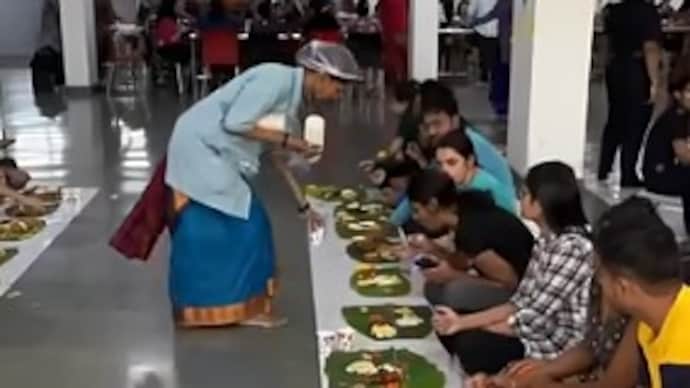
What made this video stand out was not just the food itself, but the way the student captured his experience of encountering new flavours, new dishes, and a whole new food culture that he had never tasted before. The clip, which has now travelled widely across social media, highlights how hostel messes in IITs serve as cultural melting pots where students from different states come together, share meals, and develop a deeper understanding of each other’s traditions.
oncommonground.co.uk | startupfactories.co.uk | topphotoshoot.com
casinopuzzlez.com | dezignyourhome.com
A Student’s Surprise at New Food Traditions
The student—hailing from Haryana, a state known for its simple, hearty, and dairy-rich cuisine—recorded his reaction after seeing dishes in IIT Bombay’s mess that are common in other parts of India but unfamiliar to many from North Indian backgrounds. His honest commentary, curiosity, and humour struck a chord with viewers.
In the video, he expresses his surprise at menu items like:
-
Poha served with coconut chutney
-
Idli-vada combinations
-
Upma
-
South Indian curries and rasam
-
Different regional pickles
-
Varieties of rice dishes
For many students from the north, especially first-time hostelers, these items are not part of their daily food habits. The video humorously shows how college life introduces young adults to food traditions they may never have tasted back home.
Why the Video Felt So Relatable
What made the video go viral was its relatability. Every student who has moved away from home for the first time—whether to another state or another country—knows what it feels like to face a completely unfamiliar food culture.
The video reminded viewers that:
-
Food is a big part of identity
-
Adjusting to a new eating style is a huge part of hostel life
-
Mess food shapes many students’ first experiences of cultural diversity
-
Regional food differences in India are wide and fascinating
For some viewers, the video brought back memories of discovering dosas for breakfast or learning that not every dal tastes the same across states. For others, it served as a reminder of how diverse and rich India’s food culture really is.
IIT Hostels as Cultural Hubs
IITs attract some of the brightest students from every corner of the country—Punjab, Tamil Nadu, Assam, Kerala, Rajasthan, Odisha, Manipur, Gujarat, and more. When students come together to live, study, and eat under one roof, their diverse backgrounds create a unique environment of learning beyond textbooks.
Hostel messes play a significant role in this cultural exchange. They are not just dining halls—they are social spaces where:
-
Students share their favourite dishes
-
Mess committees try to balance regional menus
-
People learn about ingredients and cuisines they never knew existed
-
Festivals are celebrated through special meals
-
Friendships are built over food debates and complaints
The video reminded everyone that while mess food is often joked about, it also serves a larger purpose: introducing students to India’s many food traditions and creating a sense of unity.
Social Media Reaction: Fun, Nostalgia, and Pride
The responses to the video were overwhelmingly positive. Many people commented that:
-
They felt the same way when they entered hostels
-
Regional dishes helped them adjust to mess life
-
Trying new food made them more open-minded
-
Food diversity is one of India’s greatest strengths
Former IIT students also joined the conversation, sharing how mess food shaped their memories—both good and bad. Some joked about missing the food now, while others said they still have “trauma” from certain mess experiments. Overall, the video sparked a warm, nostalgic wave of discussion across platforms.
Food as a Social Bridge
Beyond humour, the video highlighted an important truth: food has the power to bring people together. Many cultures in India have distinct cooking styles, flavours, and eating habits. But when students from these backgrounds sit together at one table, they exchange not just food, but also stories, traditions, and values.
Some students even said in the comments that:
-
They learnt to eat with their hands for the first time
-
They discovered vegetarianism or non-vegetarianism through peer influence
-
They picked up recipes from friends and mess workers
-
Mess food expanded their idea of what “normal food” is
For many, hostel life becomes the first step towards understanding India’s true diversity. And this video captured exactly that spirit.
The Bigger Message Behind a Simple Video
While the video was light-hearted and funny, it carried a deeper message. It showed how students who travel from rural or small-town backgrounds encounter a larger world once they enter institutions like IITs. These experiences—small or big—shape their personality and broaden their horizons.
The Haryana student’s curiosity and willingness to try new food reflected a positive openness to learning. This attitude is what makes academic and social environments richer. Through food, students not only nourish themselves but also connect with unfamiliar cultures.
This is why the video resonated so widely. It felt like a snapshot of India’s youth—curious, accepting, adapting, and learning every day.
A Simple Moment, A Strong Impact
In today’s world, where serious news often dominates headlines, this simple mess-food video became a refreshing change. It reminded people of their own hostel stories, friendships, and first experiences of independence. It showed how even in academically intense environments like IIT Bombay, small everyday moments matter.
Sometimes, a plate of poha or a bowl of rasam can teach lessons more powerful than lectures—about diversity, acceptance, and unity.