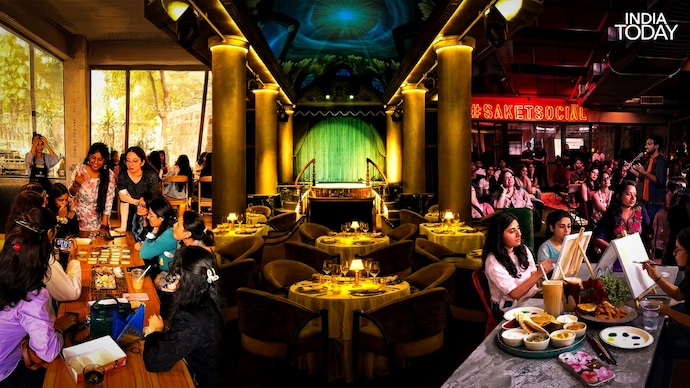
The concept of dining in India is undergoing a radical transformation. What was once merely a place to eat has now evolved into a multifaceted experience, combining food with culture, creativity, and learning. Increasingly, restaurants across the country are doubling up as lecture halls, art studios, theatres, and classrooms, catering to a growing appetite for experiential dining. This trend reflects broader shifts in consumer behavior, urban lifestyles, and the demand for community spaces.
From Meals to Experiences
In the past, Indian restaurants were primarily judged on taste, ambiance, and service. Diners sought delicious food, comfort, and sometimes a quiet space for casual conversations. Today, however, restaurants are redefining their purpose, offering experiences that go beyond mere dining.
For instance, some eateries now host cooking classes, where chefs guide patrons through the intricacies of traditional recipes or global cuisines. These sessions allow customers not only to taste food but also to learn culinary skills, creating a deeper connection with the restaurant.
Similarly, art workshops in restaurants have become increasingly popular. Patrons can paint mugs, decorate pottery, or participate in collaborative art projects while enjoying coffee or snacks. Such initiatives make the restaurant visit more interactive and memorable, particularly for young adults, families, and hobbyists looking for creative outlets.
bestfoodblogging.com | ClassicHomeService.com | thetravelsguides.com
InspiringOutfit.com | AttireAndAspire.com
Restaurants as Learning Spaces
Another interesting development is the rise of lecture sessions and workshops within restaurant spaces. Entrepreneurs, writers, and artists are leveraging these venues to engage with audiences directly. Unlike traditional auditoriums, restaurants provide a relaxed, informal setting that encourages discussion, interaction, and networking.
From book readings and motivational talks to tech workshops and wellness seminars, restaurants are creating hybrid spaces that blend knowledge sharing with social experiences. This shift caters to a growing segment of consumers who value learning, community engagement, and social interaction alongside culinary indulgence.
Theatre and Performance in Dining Spaces
Theatre, music, and stand-up comedy have also found a home in Indian restaurants. A number of establishments now organize live performances, including plays, poetry readings, and musical nights, giving patrons a chance to enjoy entertainment while dining.
This trend benefits both the restaurant owners and performers. Theatres and concert venues often come with high operational costs, while restaurants can offer a ready-made audience in exchange for a more intimate and flexible performance setup. Customers, on the other hand, enjoy a multi-sensory experience that blends gastronomy with culture.
Why This Trend is Gaining Momentum
Several factors are contributing to the rise of restaurants as cultural and creative hubs in India:
-
Urban Lifestyle Changes: With busy schedules and limited leisure time, urban consumers are seeking spaces where they can combine multiple activities—learning, socializing, and dining—into a single outing.
-
Experience Economy: Modern consumers, particularly Millennials and Gen Z, prioritize experiences over possessions. Dining out is no longer just about eating; it is about creating memories and sharing stories on social media.
-
Community Engagement: Restaurants are increasingly positioning themselves as community spaces. By hosting workshops, talks, or performances, they foster a sense of belonging and interaction among patrons.
-
Diversification for Revenue: Post-pandemic, many restaurant owners are exploring diversified revenue streams. By offering classes, events, or performances, they can increase footfall, attract new audiences, and improve profitability.
-
Collaboration with Artists and Educators: Partnerships with artists, chefs, educators, and performers create mutually beneficial ecosystems. Restaurants provide space and exposure, while collaborators bring fresh content and engagement opportunities for diners.
Examples Across India
Across India, numerous examples illustrate this evolving trend:
-
Mumbai and Delhi: Restaurants in metropolitan areas frequently host art exhibitions, live music nights, and creative workshops alongside their usual menu offerings. Patrons can enjoy a painting class while sipping artisanal coffee or listen to a live jazz band while tasting fusion dishes.
-
Bengaluru: Known for its tech-savvy and youth-centric population, Bengaluru’s cafes often double as co-working spaces, startup discussion hubs, and lecture venues. Events like book launches, panel discussions, and coding workshops are held in casual dining settings.
-
Kolkata and Pune: Culinary workshops and storytelling sessions have gained traction. Patrons can learn to cook traditional Bengali dishes or participate in literature-focused events in relaxed café environments.
This fusion of food and culture makes restaurants more than just dining destinations; they become centers of creativity, learning, and entertainment, attracting a wide variety of audiences.
Impact on Patrons
For diners, this evolution offers several advantages:
-
Learning Opportunities: Cooking classes, art workshops, and lectures allow patrons to pick up new skills while enjoying the restaurant atmosphere.
-
Entertainment Value: Live performances provide instant engagement, making the dining experience more enjoyable and memorable.
-
Social Connections: Such events create avenues for networking and socializing, helping patrons meet like-minded individuals.
-
Holistic Experience: Combining food, learning, and entertainment enhances the overall value of visiting a restaurant, making it a preferred choice for social gatherings or family outings.
Challenges and Considerations
Despite its appeal, this trend also comes with challenges:
-
Space Constraints: Not all restaurants have sufficient space to host workshops or performances, limiting the scope of events.
-
Noise and Disruption: Live sessions and performances can sometimes disrupt regular diners seeking a quiet meal.
-
Operational Complexity: Managing events alongside daily restaurant operations requires careful planning and additional staffing.
-
Marketing and Awareness: To ensure successful participation, restaurants must promote events effectively, often requiring a strong online presence.
However, for establishments that successfully manage these challenges, the rewards in terms of customer loyalty, engagement, and brand differentiation are substantial.
The Future of Restaurants as Cultural Hubs
Looking ahead, the fusion of culinary and cultural experiences is likely to grow. Restaurants may increasingly serve as hybrid spaces, combining food, creativity, education, and entertainment under one roof. This could lead to innovations like theme-based cafés, art-focused eateries, and workshop restaurants, where patrons come for experiences as much as for meals.
Moreover, with the rise of social media and the experience-driven economy, such restaurants may attract tourists and locals alike, creating cultural hotspots within cities. The potential for cross-industry collaborations with artists, educators, and performers ensures that restaurants can continually reinvent their offerings to stay relevant.
Conclusion
Indian restaurants are no longer just places to eat; they are emerging as cultural, creative, and learning hubs. From cooking classes to art workshops, from live performances to lectures, these hybrid spaces cater to evolving consumer demands for experiences, entertainment, and education.
For patrons, visiting such restaurants offers more than just a meal—it provides a holistic experience, blending learning, social engagement, and leisure. For restaurant owners, diversifying services through events and activities can increase footfall, drive revenue, and enhance brand identity.
As urban lifestyles continue to evolve and consumers increasingly seek meaningful experiences, the concept of restaurants as cultural hubs is set to grow, making dining in India an immersive, enriching, and multi-dimensional experience.
In this new era, going to a restaurant is not just about food—it’s about exploration, creativity, connection, and memory-making, redefining what it means to dine out in India.