In the complex world of international diplomacy, few individuals attract attention for quietly bridging divides between rival nations. Ranjit “Ricky” Gill, an Indian-origin adviser to former U.S. President Donald Trump, recently emerged in the spotlight after receiving recognition for his role in facilitating a ceasefire between India and Pakistan following Operation Sindoor earlier this year. His contribution highlights how individuals in advisory and diplomatic roles can influence international relations, often away from public view.
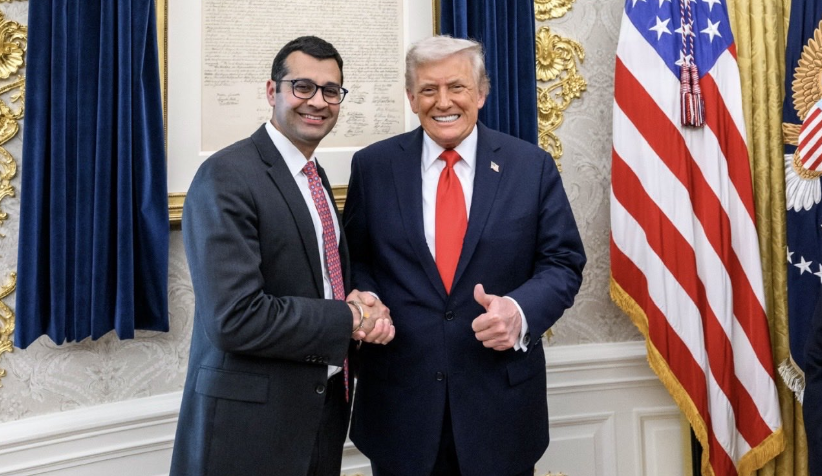
This article explores who Ricky Gill is, his background, his role in the India-Pakistan ceasefire, and the broader significance of his recognition.
1. Who Is Ricky Gill?
Ranjit “Ricky” Gill is a U.S.-based adviser with Indian roots, known for his involvement in political and international affairs. He has served as an advisor to former President Donald Trump, providing insights on foreign policy, trade, and strategic diplomacy. His Indian origin and understanding of South Asian geopolitics make him a valuable asset in matters involving India, Pakistan, and broader regional stability.
Gill’s advisory role is largely behind the scenes. Unlike diplomats stationed in embassies or official representatives, advisers like Gill operate as intermediaries, helping to coordinate strategies, convey messages, and propose solutions that may not be possible through formal channels. His ability to navigate sensitive political landscapes has earned him recognition in both U.S. and international circles.
cbdtomarijuana.com | idealcasinogambling.com | weeklyclassy.com
sitewiseapp.com| websecureservices.com
2. The Context: India-Pakistan Relations and Operation Sindoor
India and Pakistan have a long history of conflict and tension, shaped by territorial disputes, political disagreements, and past military operations. In early 2025, Operation Sindoor—an Indian military operation targeting cross-border threats—led to heightened tensions between the two nations. The operation, while focused on national security objectives, also brought a risk of escalation, prompting urgent diplomatic efforts to prevent further conflict.
Ceasefires between India and Pakistan are often fragile and require careful negotiation. Each side must be reassured that agreements will be respected and that actions will not undermine trust. This is where advisers and intermediaries like Ricky Gill can play a crucial role: facilitating communication, suggesting frameworks, and helping both sides find common ground.
3. Ricky Gill’s Role in Facilitating the Ceasefire
Ricky Gill’s contribution to the ceasefire is said to have been strategic and multi-faceted. While specific details remain confidential due to the sensitive nature of international diplomacy, reports suggest that Gill acted as a bridge between the parties involved, using his understanding of both U.S. foreign policy priorities and South Asian geopolitics.
Key aspects of his role included:
-
Mediating Communication: Ensuring that messages between India and Pakistan were accurately conveyed and understood, reducing the risk of misinterpretation. In tense situations, even minor miscommunications can escalate conflicts, making this a critical function.
-
Strategic Advising: Offering recommendations to the U.S. administration on how to encourage both nations to agree to a ceasefire. This may have involved assessing incentives, timing, and messaging that could appeal to both sides.
-
Confidence Building: Helping to establish trust by suggesting measures that reassured both India and Pakistan that commitments would be honored. Trust-building is often a core component of any ceasefire negotiation.
Gill’s unique position—as an adviser to the U.S. president with cultural and geopolitical insight into South Asia—allowed him to operate effectively in this space, contributing to a peaceful outcome that prevented escalation following Operation Sindoor.
4. Recognition and Awards
Following the successful implementation of the ceasefire, Ricky Gill received recognition for his diplomatic efforts. Awards and acknowledgments in such cases often come from governmental or international organizations seeking to highlight contributions that advance peace and stability. While public attention often focuses on political leaders, recognising advisers like Gill emphasizes the importance of behind-the-scenes work in international diplomacy.
The award also underscores the growing role of diaspora individuals in global affairs. Indian-origin professionals like Gill often leverage their cultural understanding, language skills, and regional knowledge to act as connectors between countries, providing unique perspectives that traditional diplomatic channels may not always offer.
5. The Significance of Gill’s Work
Ricky Gill’s involvement in facilitating the India-Pakistan ceasefire has broader implications beyond the immediate outcome. Some of the key takeaways include:
-
Importance of Backchannel Diplomacy: Formal negotiations are critical, but informal channels, including advisers and intermediaries, play a crucial role in resolving conflicts. These channels allow for flexibility, experimentation with proposals, and quick adjustments to changing situations.
-
Diaspora Diplomacy: Individuals from diaspora communities can influence international relations by providing insights, connecting stakeholders, and facilitating understanding between nations. Gill’s Indian origin and understanding of South Asian geopolitics positioned him uniquely for this role.
-
Preventing Escalation: The timely intervention of advisers like Gill can prevent small-scale conflicts from escalating into larger wars. By helping establish ceasefires quickly, these efforts protect lives, maintain stability, and create space for longer-term diplomatic solutions.
-
U.S. Influence in South Asia: The role of a U.S. adviser in India-Pakistan negotiations highlights how global powers continue to influence regional stability. While India and Pakistan are sovereign nations, third-party mediation and guidance can be critical in high-stakes situations.
6. Challenges in Advising on South Asian Conflicts
Advisers working on India-Pakistan issues face unique challenges. Both countries have deeply rooted historical, political, and cultural factors that influence decisions. Missteps or perceived biases can undermine trust, making neutrality and strategic insight essential.
Ricky Gill’s success demonstrates the importance of:
-
Cultural Competence: Understanding local norms, history, and political sensitivities.
-
Discretion: Maintaining confidentiality to protect diplomatic channels.
-
Analytical Skills: Evaluating potential outcomes and advising on strategies that minimize risks.
-
Relationship Building: Establishing credibility with multiple stakeholders, including government officials, military personnel, and international partners.
The combination of these skills enabled Gill to contribute meaningfully to a ceasefire at a critical juncture.
7. The Broader Impact on India-Pakistan Relations
While the ceasefire following Operation Sindoor represents a short-term achievement, it also provides an opportunity for longer-term engagement. Peaceful periods allow for dialogue on trade, border management, and conflict resolution. Advisors like Ricky Gill help create the conditions for these conversations by reducing immediate tensions and facilitating mutual understanding.
For India, Pakistan, and the international community, this ceasefire serves as a reminder that strategic interventions, backchannel diplomacy, and informed advisory roles can make a tangible difference in maintaining peace in volatile regions.
8. Conclusion
Ranjit “Ricky” Gill’s recognition for his role in facilitating the India-Pakistan ceasefire highlights the significant impact that behind-the-scenes advisers can have on international diplomacy. By leveraging his expertise, cultural knowledge, and strategic insight, Gill helped prevent further escalation following Operation Sindoor, demonstrating the importance of diaspora-led diplomacy and informal negotiation channels.
While political leaders often dominate headlines, figures like Ricky Gill remind us that much of the work that preserves peace and stability occurs quietly, requiring patience, skill, and deep understanding of complex geopolitical landscapes. As India, Pakistan, and the wider international community navigate ongoing challenges, the contributions of advisers like Gill will continue to play a crucial role in shaping outcomes and promoting dialogue over conflict.