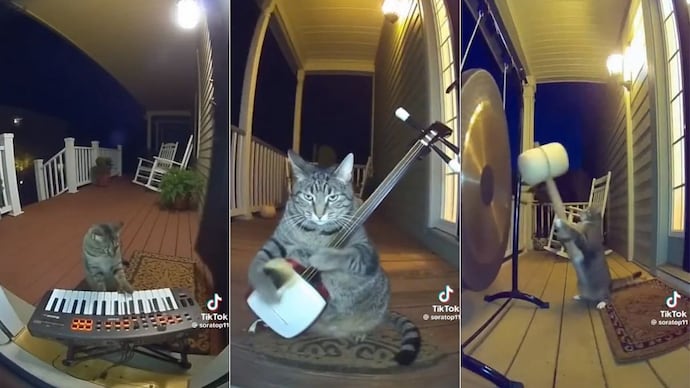
A recent viral cat video that has crossed over six million views has unexpectedly become the centre of a larger conversation: Is AI-generated content simply digital “slop,” or is it a new frontier for creativity? As the internet continues to grapple with deepfakes, AI-made music, and algorithm-driven art, this quirky clip is challenging long-held opinions and revealing a surprising shift in how audiences perceive AI.
A New Era of Internet Chaos
For years, AI-generated videos have been met with suspicion and criticism. Concerns over misinformation, stolen artistic styles, and loss of originality dominated discussions. The rise of deepfake technology only amplified fears. However, the viral cat video presents a different side of the AI revolution—one rooted in playfulness, humour, and absurdity.
The clip, featuring a surreal animated cat interacting in ways that blur reality and digital fantasy, struck a chord with viewers not because of its realism but because of its charm. Its exaggerated movements, chaotic visuals, and intentionally imperfect animation resonated with audiences who are increasingly open to experimental, AI-driven content.
Shifting Perceptions: From Threat to Entertainment
Traditionally, many people viewed AI as a creative threat. Artists worried about job displacement, audiences feared manipulation, and critics argued that AI lacked emotional depth. But the success of this video highlights something different: a willingness to embrace AI when it is used transparently and for entertainment.
Instead of pretending to be human-made art, this cat video celebrates its artificial nature. Its bold colours, unusual proportions, and unexpected transitions make it clear that it is a product of algorithmic imagination. Surprisingly, this is exactly what people are appreciating.
This acceptance doesn’t imply that concerns around deepfakes or unethical AI practices are vanishing. Rather, it indicates that audiences can appreciate AI for what it is—when the context is harmless, comedic, and openly synthetic.
The Rise of “Creative AI Chaos”
A new trend is emerging across social platforms: deliberately chaotic, humorous, and surreal AI videos. Unlike traditional deepfakes meant to deceive, these clips embrace weirdness. From talking vegetables to dancing animals and glitchy dreamlike scenes, users are exploring AI as a playground rather than a competitor.
The viral cat video perfectly fits this trend. Its appeal lies in the very qualities critics once mocked—its “sloppy” animation, exaggerated expressions, and unpredictable sequences. Yet these elements are now being viewed as endearing. This is prompting creators to push boundaries and experiment more freely with AI tools.
A Sign of Evolving Digital Culture
The success of such content reveals much about the evolution of online culture. Internet audiences, especially younger users, are becoming more comfortable with AI as part of the media landscape. They understand its limitations, laugh at its quirks, and enjoy its unpredictability.
This new acceptance suggests a wider cultural shift: people are no longer judging AI solely on its ability to mimic human craftsmanship. Instead, they are embracing the unique creative avenues it opens—particularly in spaces where humour, experimentation, and absurdity thrive.
Balancing Creativity With Responsibility
While the popularity of AI-generated fun videos is encouraging, it also serves as a reminder that the internet must continue to address the risks of AI misuse. Creators and platforms must maintain transparency, and audiences must stay aware of the difference between harmless creative content and manipulative AI outputs.
This balance will be crucial as AI tools become even more accessible. The goal should be to harness AI’s potential for creativity, entertainment, and innovation while continuing to challenge unethical uses.
A Future Built on Collaboration
The viral cat video—and the positive reaction to it—signals a future where AI and human creativity can coexist more harmoniously. Instead of replacing human imagination, AI is increasingly serving as a tool that enhances it, adding new flavours to digital storytelling and visual experimentation.
As creators continue to explore what AI can do, we may see entire genres of entertainment emerge from these playful experiments. The line between digital art and algorithmic output may blur, but the joy these videos bring suggests that audiences are ready for the journey.
ahcathyxxx.com ahcathyxxx.com ahcathyxxx.com ahcathyxxx.com ahcathyxxx.com ahcathyxxx.com ahcathyxxx.com ahcathyxxx.com ahcathyxxx.com ahcathyxxx.com ahcathyxxx.com ahcathyxxx.com ahcathyxxx.com ahcathyxxx.com ahcathyxxx.com ahcathyxxx.com ahcathyxxx.com ahcathyxxx.com ahcathyxxx.com ahcathyxxx.com ahcathyxxx.com ahcathyxxx.com ahcathyxxx.com ahcathyxxx.com ahcathyxxx.com ahcathyxxx.com ahcathyxxx.com ahcathyxxx.com ahcathyxxx.com ahcathyxxx.com ahcathyxxx.com ahcathyxxx.com ahcathyxxx.com ahcathyxxx.com ahcathyxxx.com ahcathyxxx.com ahcathyxxx.com ahcathyxxx.com ahcathyxxx.com ahcathyxxx.com ahcathyxxx.com ahcathyxxx.com ahcathyxxx.com ahcathyxxx.com ahcathyxxx.com ahcathyxxx.com ahcathyxxx.com ahcathyxxx.com ahcathyxxx.com ahcathyxxx.com ahcathyxxx.com ahcathyxxx.com ahcathyxxx.com ahcathyxxx.com ahcathyxxx.com ahcathyxxx.com ahcathyxxx.com ahcathyxxx.com ahcathyxxx.com ahcathyxxx.com ahcathyxxx.com ahcathyxxx.com ahcathyxxx.com ahcathyxxx.com ahcathyxxx.com ahcathyxxx.com ahcathyxxx.com ahcathyxxx.com ahcathyxxx.com ahcathyxxx.com ahcathyxxx.com ahcathyxxx.com ahcathyxxx.com ahcathyxxx.com ahcathyxxx.com ahcathyxxx.com ahcathyxxx.com ahcathyxxx.com ahcathyxxx.com ahcathyxxx.com ahcathyxxx.com ahcathyxxx.com ahcathyxxx.com ahcathyxxx.com ahcathyxxx.com ahcathyxxx.com ahcathyxxx.com ahcathyxxx.com ahcathyxxx.com ahcathyxxx.com ahcathyxxx.com ahcathyxxx.com ahcathyxxx.com ahcathyxxx.com ahcathyxxx.com ahcathyxxx.com ahcathyxxx.com ahcathyxxx.com ahcathyxxx.com ahcathyxxx.com ahcathyxxx.com ahcathyxxx.com ahcathyxxx.com ahcathyxxx.com ahcathyxxx.com ahcathyxxx.com ahcathyxxx.com ahcathyxxx.com ahcathyxxx.com ahcathyxxx.com ahcathyxxx.com ahcathyxxx.com ahcathyxxx.com ahcathyxxx.com ahcathyxxx.com ahcathyxxx.com ahcathyxxx.com ahcathyxxx.com ahcathyxxx.com ahcathyxxx.com ahcathyxxx.com ahcathyxxx.com ahcathyxxx.com ahcathyxxx.com ahcathyxxx.com ahcathyxxx.com ahcathyxxx.com ahcathyxxx.com ahcathyxxx.com ahcathyxxx.com ahcathyxxx.com ahcathyxxx.com ahcathyxxx.com ahcathyxxx.com ahcathyxxx.com ahcathyxxx.com ahcathyxxx.com ahcathyxxx.com ahcathyxxx.com ahcathyxxx.com ahcathyxxx.com ahcathyxxx.com ahcathyxxx.com ahcathyxxx.com ahcathyxxx.com ahcathyxxx.com ahcathyxxx.com ahcathyxxx.com ahcathyxxx.com ahcathyxxx.com ahcathyxxx.com ahcathyxxx.com ahcathyxxx.com ahcathyxxx.com ahcathyxxx.com ahcathyxxx.com ahcathyxxx.com ahcathyxxx.com ahcathyxxx.com ahcathyxxx.com ahcathyxxx.com ahcathyxxx.com ahcathyxxx.com ahcathyxxx.com ahcathyxxx.com ahcathyxxx.com ahcathyxxx.com