What ‘Martyrdom’ Means in Iran: From Karbala to Khamenei
Martyrdom in Iran is far more than a theological term; it is a deeply embedded cultural, religious and political force that shapes national identity, historical memory and state ideology. Rooted in Shiʿism, the official religion of the Islamic Republic, martyrdom is invoked not only in religious observances but also in political mobilization, public discourse and state narratives. Understanding how the concept evolved from the ancient battlefield of Karbala to contemporary leaders such as Supreme Leader Ayatollah Ali Khamenei requires a journey through centuries of history, belief and politics.
Origins: Karbala and the Foundation of Shiʿa Martyrdom
The central event shaping the concept of martyrdom in Iran is the Battle of Karbala in 680 CE. In this defining moment, Husayn ibn Ali, the grandson of the Prophet Muhammad and son of the fourth caliph Ali, was killed along with his family and close followers after refusing to pledge allegiance to the Umayyad caliph Yazid. In Shiʿa tradition, Husayn’s death is not simply a tragic historical incident but a moral and spiritual stand against oppression and tyranny. His sacrifice is commemorated every year on Ashura, the 10th day of Muharram, through mourning rituals, processions, and passion plays that reaffirm values of justice, dignity and resistance.
For Shiʿa Muslims, Karbala represents the ultimate ethical choice — to uphold truth and justice even at the cost of life. This narrative lies at the heart of Iranian religious culture and has been transmitted over generations through sermons, poetry and ritual observance. It serves not only as a remembrance of past sacrifice but also as a living symbol for resisting injustice — a guiding ideology that transcends centuries.
Martyrdom in Iranian Political History
Under the Pahlavi monarchy in the mid-20th century, the memory of Husayn and Karbala became a potent symbol of resistance against secular authoritarian rule. During the 1978-79 Islamic Revolution, religious leaders, most notably Ayatollah Ruhollah Khomeini, framed the struggle against the Shah’s regime in the same moral language as Karbala, presenting the revolution as a continuation of Husayn’s sacrifice. By doing so, the narrative of martyrdom was woven into political rhetoric, igniting mass mobilization and giving the revolution profound religious significance.
After the revolution succeeded and the Islamic Republic was established, the concept of martyrdom became institutionalized in state ideology. When Iraq invaded Iran in 1980, the eight-year Iran-Iraq War was framed as a continuation of the Karbala legacy, with millions of Iranians serving on the battlefield. Fallen soldiers were honoured as martyrs whose sacrifice was integral to the nation’s survival and moral mission. Their memory was enshrined in schools, public commemorations and state media, reinforcing the idea that martyrdom was not only a religious virtue but also a national necessity.
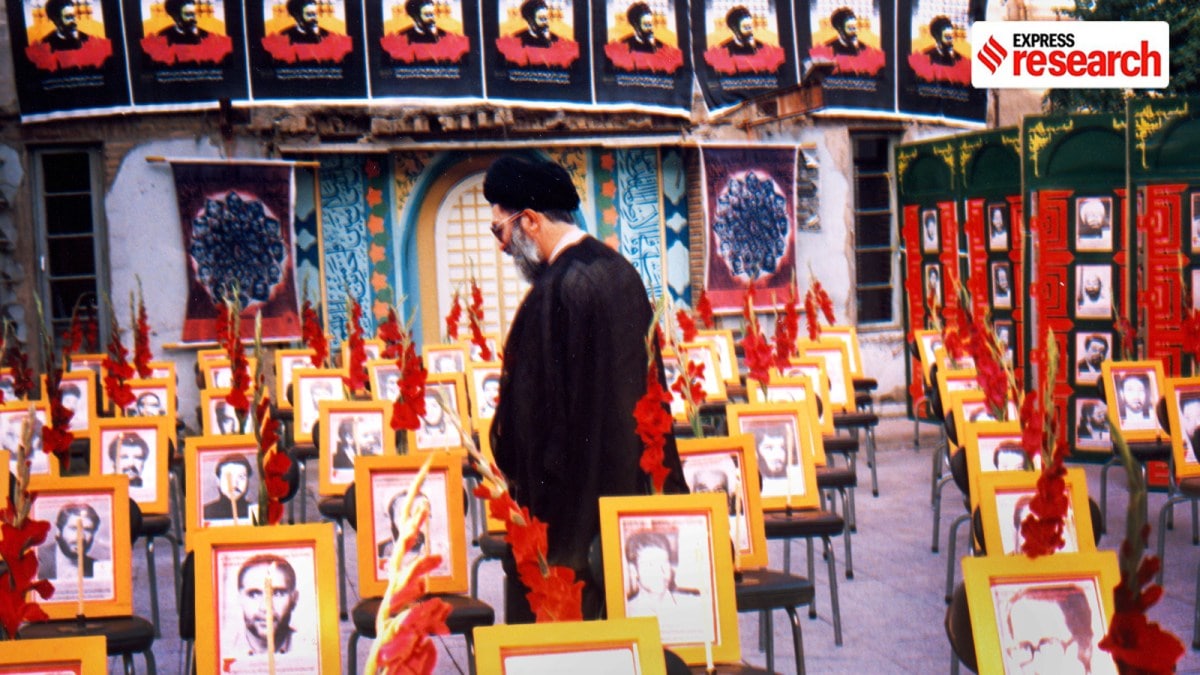
Shiʿa Doctrine and Cultural Embedding
Scholars and clerics in Iran have emphasized that martyrdom has deep religious roots beyond political appropriation. In Shiʿa theology, to die in the cause of faith is considered one of the highest forms of sacrifice. Qurʾanic verses and prophetic traditions underscore the spiritual rewards of such sacrifice, and Shiʿa thought amplifies this idea by linking it to the family of the Prophet and the suffering they endured. This theological framing means martyrdom is highly revered, not only as a historical legacy but also as a moral ideal shaping individual and collective identities.
In contemporary times, Iran’s leadership has continuously reaffirmed this framework. Ayatollah Ali Khamenei — successor to Khomeini and long-time Supreme Leader — has repeatedly described martyrs as spiritual beacons whose legacy sustains national morale and unity. He has emphasized that martyrs promote spirituality, strengthen national resolve, and help inculcate a sense of purpose and resistance among the people. This rhetoric reinforces the symbolic power of martyrdom as both a religious and socio-political anchor for Iranian society.
Martyrdom as Political Narrative
Beyond ritual and theology, martyrdom functions as a political language in contemporary Iran. The leadership often frames conflicts — whether external wars or internal struggles — through the lens of sacrifice and resistance. High-ranking military figures and those killed in defence operations are frequently memorialized as martyrs, elevating their deaths beyond casualty figures to symbols of national honour and ideological steadfastness. This practice strengthens a collective identity grounded in resilience and defiance.
At the same time, the concept is not monopolized by the state. In recent years, critics of the government have also invoked martyrdom to honour individuals killed during protests, casting them as symbols of resistance against perceived injustice. This dual usage demonstrates that martyrdom is not a static religious artifact but an evolving and contested element of Iranian political discourse.
Martyrdom and Collective Memory
The power of martyrdom in Iran is intimately tied to collective memory — the shared stories that shape how a people remember their past and envision their future. The emotional resonance of Karbala remains potent because it connects religious identity, moral values and political purpose in a single narrative. In this sense, martyrdom in Iran is not merely religion in a personal sense; it is a symbolic infrastructure that informs how Iranians understand sacrifice, justice and national destiny.
Recent developments involving prominent national figures have been interpreted through this lens by various segments of society, especially in official statements that describe the deaths of leaders or warriors as martyrdom. Such descriptions place contemporary figures within the long continuum of sacrifice exemplified by Husayn and other revered martyrs of history.
Contemporary Relevance and Debates
Today, the concept of martyrdom in Iran continues to evolve. While it remains deeply rooted in Shiʿa religious tradition, its political appropriations and contestations reflect broader debates within Iranian society. Supporters of the state often invoke martyrdom to sanctify national causes and bolster solidarity in the face of geopolitical pressure. Meanwhile, dissenting voices may employ the same language to frame opposition and demand accountability.
These competing narratives underscore the enduring and dynamic role martyrdom plays in Iranian culture. It remains a potent moral vocabulary capable of inspiring devotion, mobilizing action and shaping public imagination.
Conclusion
In Iran, martyrdom is far more than a religious doctrine; it is a central pillar of national identity, political imagination and cultural expression. From the iconic sacrifice of Husayn at Karbala to its contemporary invocation in political rhetoric and public memory, martyrdom remains a powerful and multifaceted concept. Its resonance arises from a unique blend of theological significance, historical experience and symbolic potency — a narrative that continues to shape how Iranians interpret their past, confront their present and envision their future.
modastor.com modastor.com modastor.com modastor.com modastor.com modastor.com modastor.com modastor.com modastor.com modastor.com modastor.com modastor.com modastor.com modastor.com modastor.com modastor.com modastor.com modastor.com modastor.com modastor.com modastor.com modastor.com modastor.com modastor.com modastor.com modastor.com modastor.com modastor.com modastor.com modastor.com modastor.com modastor.com modastor.com modastor.com modastor.com modastor.com modastor.com modastor.com modastor.com modastor.com modastor.com modastor.com modastor.com modastor.com modastor.com modastor.com modastor.com modastor.com modastor.com modastor.com modastor.com modastor.com modastor.com modastor.com modastor.com modastor.com modastor.com modastor.com modastor.com modastor.com modastor.com modastor.com modastor.com modastor.com modastor.com modastor.com modastor.com modastor.com modastor.com modastor.com modastor.com modastor.com modastor.com modastor.com modastor.com modastor.com modastor.com modastor.com modastor.com modastor.com modastor.com modastor.com modastor.com modastor.com modastor.com modastor.com modastor.com modastor.com modastor.com modastor.com modastor.com modastor.com modastor.com modastor.com modastor.com modastor.com modastor.com modastor.com modastor.com modastor.com modastor.com modastor.com modastor.com modastor.com modastor.com modastor.com modastor.com modastor.com modastor.com modastor.com modastor.com modastor.com modastor.com modastor.com modastor.com modastor.com modastor.com modastor.com modastor.com modastor.com modastor.com modastor.com modastor.com modastor.com modastor.com modastor.com modastor.com modastor.com modastor.com modastor.com modastor.com modastor.com modastor.com modastor.com modastor.com modastor.com modastor.com modastor.com modastor.com modastor.com modastor.com modastor.com modastor.com modastor.com modastor.com modastor.com modastor.com modastor.com modastor.com modastor.com modastor.com modastor.com modastor.com modastor.com modastor.com modastor.com modastor.com modastor.com modastor.com modastor.com modastor.com modastor.com modastor.com modastor.com modastor.com modastor.com modastor.com